Connect with others who understand.

  • Learn from expert-reviewed resources
  • Real advice from people who’ve been there
  • People who understand what you’re going through
Sign Up Log In
Powered By
Real members of MyPsoriasisTeam have posted questions and answers that support our community guidelines, and should not be taken as medical advice. Looking for the latest medically reviewed content by doctors and experts? Visit our resource section.
A MyPsoriasisTeam Member asked a question 💭
Columbus, OH

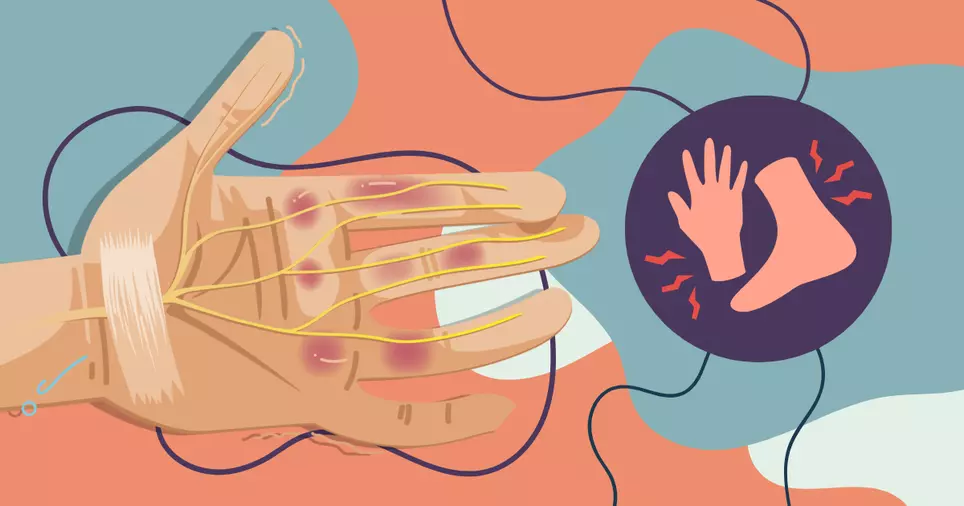
The neuropathy affects my legs (started in my feet), my arms (started in my hands) and the left side of my chest. Neurologist told me I have an underlying, undetermined autoimmune disorder and will probably die without finding what it is. I have been tested for Lupus since I was 23 (am 69 years old now) but due to ANA not testing positive still in dark. I have had psoriasis since my pre teen years (both mother and maternal grandmother had psoriasis). I am wondering if psoriasis could be the… read more

April 14
 · 
Reactions
A MyPsoriasisTeam Member

I also had worsening neuropathy in my feet, as well as other areas, dating back to about 2015. By 2024, my lower back pain was so bad that it could basically be crippling at times. The "crippling" effects were intermittent, not chronic, but were worsening.

However, both my neuropathy issues and lower back problems are better than 98% resolved these days, which has really only happened in just the past year. I largely attribute these improvements (including that I no longer have psoriasis) to my heavy Omega-3 supplementation.

Then I also take an "R-Alpha Lipoic Acid" supplement purchased on Amazon. This substance is widely known for helping with neuropathy issues.

You can learn more about my personal journey by reading my profile "Story" here if you're interested. Just click on my profile picture...

April 14
MyPsoriasisTeam

Can psoriasis or psoriatic arthritis cause the neuropathy you're experiencing?

There may be a connection between your psoriatic arthritis and neuropathy, though the relationship isn't entirely straightforward. Research shows that neuropathy does occur in some people with psoriatic arthritis, with studies finding that about Show Full Answer


Can psoriasis or psoriatic arthritis cause the neuropathy you're experiencing?

There may be a connection between your psoriatic arthritis and neuropathy, though the relationship isn't entirely straightforward. Research shows that neuropathy does occur in some people with psoriatic arthritis, with studies finding that about 27% of people with PsA had likely neuropathic pain.

However, recent studies suggest that nerve problems might not be directly caused by PsA itself. Instead, people with PsA often have other health issues that can affect the nerves, which may explain why nerve symptoms are more common in this group.

You may be more likely to experience neuropathy if you have more severe PsA. People with nerve pain were more likely to have symptoms like swollen joints and dactylitis (swollen fingers or toes). What else could be contributing?

The chronic inflammation from psoriasis can increase your risk of metabolic syndrome, which includes conditions like diabetes, high blood pressure, and high cholesterol. Diabetes, in particular, is a common cause of neuropathy and can lead to the numbness and tingling you're describing in your feet, hands, arms, and legs.

If you have comorbid conditions along with your psoriasis, such as diabetes, you could certainly have neuropathy associated with that rather than from the psoriasis itself.

Given your long history with psoriasis and recent psoriatic arthritis diagnosis, it's worth discussing with your healthcare team whether metabolic screening might be helpful, as managing these conditions could potentially help with your nerve symptoms. Managing your symptoms

Keeping your PsA under control with treatments like disease-modifying antirheumatic drugs (DMARDs), biologics, or JAK inhibitors can minimize flares and may help lessen symptoms like neuropathy.

Since neuropathy can lead to a higher risk of infections or injuries (you may not notice if a problem develops in areas you can't feel), regularly check affected areas like your feet for signs of infection or damage. Physical activity is also good for nerve health, though you should check with your healthcare provider about which exercises are safe for you.

A MyPsoriasisTeam member shared similar experiences: "My neuropathy was the worst today. I wish my feet didn't hurt so much."

April 14

Related Questions

View All
A MyPsoriasisTeam Member asked a question 💭
Columbus, OH

A MyPsoriasisTeam Member asked a question 💭
Naples, TX