What is guttate psoriasis?
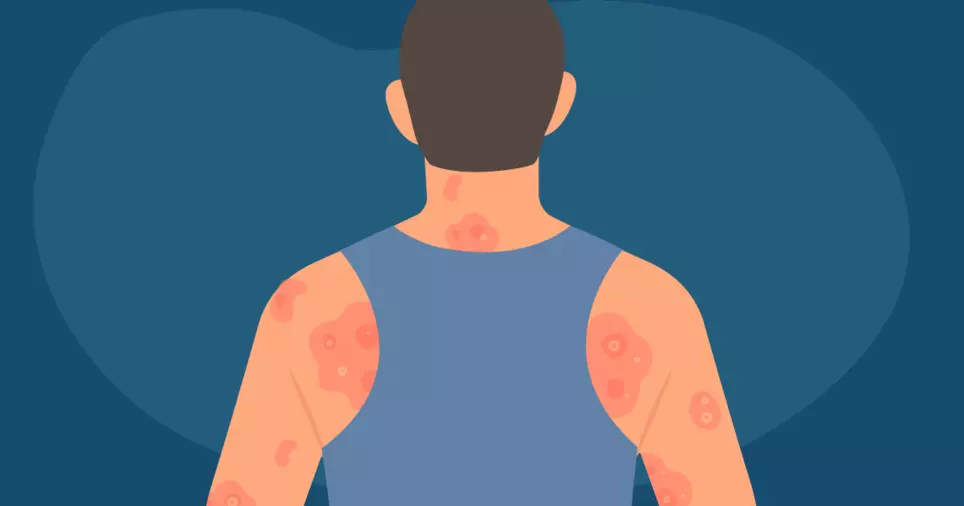
Guttate psoriasis is the second most common type of psoriasis, affecting about 8 percent of people with the condition. It causes small, scaly, teardrop-shaped spots that typically appear on the arms, legs, chest, and torso.
This type usually develops suddenly in children and young adults under Show Full Answer
What is guttate psoriasis?
Guttate psoriasis is the second most common type of psoriasis, affecting about 8 percent of people with the condition. It causes small, scaly, teardrop-shaped spots that typically appear on the arms, legs, chest, and torso.
This type usually develops suddenly in children and young adults under 30, though it can appear at any age. The lesions are generally not as thick as plaque psoriasis patches and may cause itching.
What triggers it?
The most common trigger is strep throat. Other triggers include:
- Upper respiratory infections
- Tonsillitis
- Skin injuries (burns, cuts, bug bites)
- Stress
- Certain medications (beta-blockers, antimalarial drugs)
- Sunburn
Treatment options:
For mild cases, topical treatments work well:
- Over-the-counter salicylic acid or coal tar
- Topical steroids
- Moisturizers (essential for all psoriasis care)
For more extensive cases, phototherapy or systemic medications may be needed.
Will it go away?
Guttate psoriasis may clear up in a few weeks or months. Some people have just one episode, while others experience recurrent bouts. In some cases, it can develop into plaque psoriasis later.
If you develop guttate psoriasis after a strep throat infection, speak with your dermatologist about treatment options.
March 23








 Join
Join





 Your Privacy Choices