It's really tempting to scratch or pick at psoriasis scales on the legs, but it's generally not a good idea. Scratching can damage the skin and tiny blood vessels underneath, causing pinpoint bleeding — and the more you scratch, the more the itch cycle continues.
Here's what can happen when you scratch or pick at scales:
Show Full Answer
It's really tempting to scratch or pick at psoriasis scales on the legs, but it's generally not a good idea. Scratching can damage the skin and tiny blood vessels underneath, causing pinpoint bleeding — and the more you scratch, the more the itch cycle continues.
Here's what can happen when you scratch or pick at scales:
- Skin and capillaries beneath the scales become more vulnerable to damage
- Minor bleeding can occur (known as the Auspitz sign)
- Open skin increases the risk of infection
The safer approach is to work with a doctor or dermatologist on how to remove scales properly. They may recommend:
- Topical treatments like emollients, salicylic acid, or coal tar to help loosen scales safely
- Short, lukewarm baths or showers — hot water dries skin out and can make things worse
- Keeping nails short and rounded to reduce damage if scratching happens unintentionally
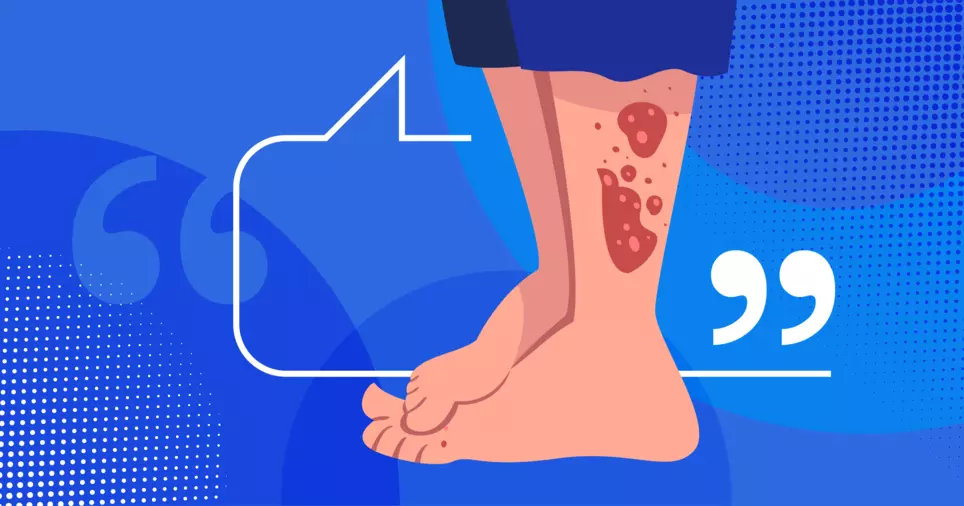
A MyPsoriasisTeam member shared: *"I'm having a really bad day with my skin. It's been itching like there's no tomorrow. I've scratched it to the point of being sore and bleeding. I have had a bath, put my ointment on, and I'm trying not to scratch."*
If itching is really hard to manage, talking to a dermatologist about treatments like biologics or phototherapy may help reduce the itch at its source.
May 29






 Join
Join





 Your Privacy Choices