
Powered By



Genital psoriasis can be one of the most uncomfortable kinds of psoriasis. Besides itching and pain, raw, irritated skin can make sex uncomfortable and make daily life harder.
Between 33 percent and 63 percent of people with psoriasis develop symptoms in the genital area. Genital psoriasis can often be treated. Even so, up to 40 percent of people with severe genital psoriasis symptoms may not talk to their doctors, possibly due to embarrassment or fear of being judged.
Finding others who share the same issue has been a relief for members of MyPsoriasisTeam. “Oh, my goodness, I’m not alone!” one member shared with the community.
Genital psoriasis can be more painful than psoriasis elsewhere on the body. The skin in this area is thinner and more sensitive, so it can hurt more from scratching or rubbing, whether or not you have sex.
Here’s how members of MyPsoriasisTeam describe the feeling:
Members of MyPsoriasisTeam share how genital psoriasis has affected their health and daily life.
According to one analysis, between 82 percent and 100 percent of people with genital psoriasis have itching. “Itching at night is by far the worst symptom I have,” said one MyPsoriasisTeam member.
Stinging and burning are also common. According to the analysis, 40 percent of people with genital psoriasis have these symptoms. About 20 percent report pain as their worst symptom, which can result from cracked, bleeding, or torn skin.

“I feel shocking pain from fissures in the creases of my ‘downstairs,’” explained one MyPsoriasisTeam member.
About 72 percent of people with psoriasis they feel unsure about dating, according to the analysis. People with genital psoriasis may be even more likely to avoid relationships or sex.
Studies show that people with genital psoriasis may have sex less often, want sex less, and have fewer sexual relationships.
“I haven’t been intimate with my husband in more than a year because I don’t feel sexy at all!” said one member.
Not only that, sex can hurt. Members of MyPsoriasisTeam experience pain, stinging, and burning during and after sexual activity. “Intimacy is uncomfortable because the area is so inflamed,” explained one member.
Small tears or irritation in the skin during sex can trigger a flare. This is called the Koebner phenomenon. “It has made sex very painful. I bleed because the skin on the head [of my penis] tears. I need lube, or it hurts too much,” said one member.
The stress and stigma of genital psoriasis can also affect mental health. People with genital psoriasis may have lower self-esteem than people with psoriasis on other parts of the body.
Studies also show that people with genital psoriasis are more likely to have depression than those without it. In one National Psoriasis Foundation study, women reported more stress about sex than men.
“I’ve lost relationships because of genital psoriasis. It really knocked out my confidence,” shared one member of MyPsoriasisTeam.
Two types of psoriasis that usually affect the genital area are inverse psoriasis and plaque psoriasis.
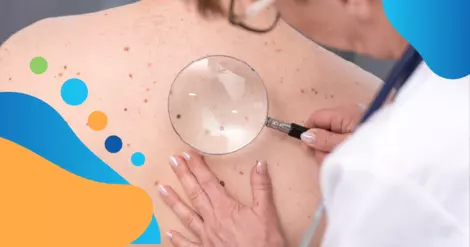
Inverse psoriasis usually looks like smooth, discolored, tight-looking patches in the folds of skin between the upper thigh and genitals. Inverse psoriasis is more painful than other types and can be made worse by sweat or friction.
People who have inverse psoriasis on other parts of the body have nearly an 80 percent chance of getting it in the genital area, too.
Plaque psoriasis can cause thick red, purple, or gray patches with white or silvery scales that may crack and bleed. These scaly patches typically appear on the pubis or upper thighs.
Psoriasis on the vulva can look like silvery patches or grayish or red plaques outside the vagina or in skin folds. Small discolored patches are most often found on the glans (tip of the penis) or shaft.
Genital psoriasis is often mistaken for other conditions, such as a sexually transmitted infection, allergic reaction, or yeast infection.
Doctors do not always ask about or check these areas, and some people feel too embarrassed to talk about symptoms there. As a result, some people may not get the treatment they need and may keep struggling longer than they should.
“I was too embarrassed to talk to any doctors about it,” a MyPsoriasisTeam member said. “When I did, they brushed it off as a yeast infection, even though I didn’t have any of those symptoms. Finally, last year, I was diagnosed with genital psoriasis.”
There’s no known cure for genital psoriasis, but it can be managed with medications and self-care. Psoriasis in sensitive areas may need different treatment than psoriasis on other parts of your body. A dermatologist can recommend the best options for you.
Treatment options for genital psoriasis include:
Phototherapy and coal tar are sometimes used for genital psoriasis. The American Academy of Dermatology warns that both may raise the risk of genital cancer.
These skin care tips may help lower irritation:
When you’re intimate with your partner, take the following precautions:
On MyPsoriasisTeam, people share their experiences with psoriasis, get advice, and find support from others who understand.
How does genital psoriasis affect your intimate relationships or daily life? Let others know in the comments below.
Get updates directly to your inbox.


My son has genital psoriasis. What can he do to relieve the symptoms?

 Continue with Facebook
Continue with Email
Continue with Facebook
Continue with Email
Continue with Facebook
Continue with Email
Continue with Facebook
Continue with Email
Become a member to get even more





 Join
Join



 Your Privacy Choices

This is a member-feature!
Sign up for free to view article comments.
I’ve had genital psoriasis since 1967. When I went to ER to see what the problem was they took a swab test and sent me home. Next day a nurse called and said I’d better come in and bring my husband… read more
We'd love to hear from you! Please share your name and email to post and read comments.
You'll also get the latest articles directly to your inbox.