What a journey — and what a lot to carry. It's completely understandable to want answers after so many years of uncertainty. Based on what's been shared, there are several signs that do align with psoriatic arthritis (PsA), so let's break it down.
The recurring scaly skin lesions, generalized itching, thickened crumbly Show Full Answer
What a journey — and what a lot to carry. It's completely understandable to want answers after so many years of uncertainty. Based on what's been shared, there are several signs that do align with psoriatic arthritis (PsA), so let's break it down.
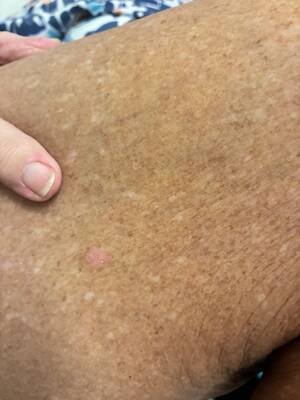
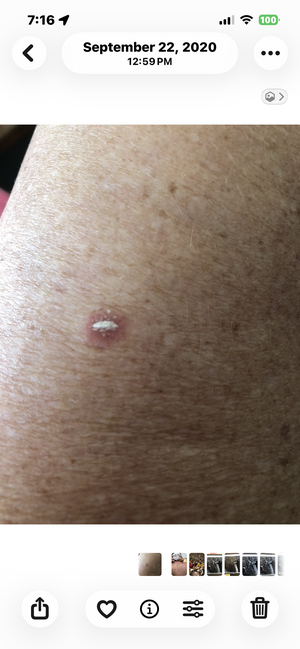
The recurring scaly skin lesions, generalized itching, thickened crumbly toenails, and "sausage toes" (called dactylitis) are all recognized symptoms associated with psoriasis and PsA. Nail changes and dactylitis in particular are considered strong clinical clues that point toward PsA, even when lab tests come back negative — which is actually common with PsA. As for which type of PsA, based on the symptoms described, a couple of types seem relevant:
- Distal Arthritis — This type involves the joints closest to the tips of fingers and toes, and nail changes are very commonly associated with it
- Asymmetric Oligoarthritis — This is one of the most common types, affecting a small number of joints and not necessarily mirroring on both sides of the body
- Spondylitis — Given the back pain history, this type, which affects the spine and lower back, may also be worth discussing with your rheumatologist
It's also worth knowing that it's possible to have more than one type of PsA at the same time. Regarding methotrexate — two months is still relatively early. It can take several months before the full effects are felt, so it may be worth having a candid conversation with your rheumatologist about timelines and whether any adjustments are needed.
Fatigue, joint stiffness, and back pain are all recognized symptoms of PsA, so those pieces do fit the picture your doctors are building. Regarding the questions for the community — many MyPsoriasisTeam members have shared experiences with delayed or difficult diagnoses, recurring lesions, and nail involvement. It's a more common story than you might think, and others in the community may have valuable personal insights to share on those specific questions.
The most important next step is keeping an open and detailed dialogue with your rheumatologist, especially given the complexity of everything going on. Bringing photos of the lesions (as you're already doing — smart move!) and a written symptom timeline can really help.
September 18








 Continue with Facebook
Continue with Email
Continue with Facebook
Continue with Email

 Join
Join



 Your Privacy Choices