That's a really common question — they can look surprisingly similar at first glance! Here are the key differences to help tell them apart:
Scalp Psoriasis
- Thick, dry, silvery-white scales
- Sharply defined patches
- Often spreads beyond the hairline to the forehead, neck, or behind the ears
- Plaques can feel very thick Show Full Answer
That's a really common question — they can look surprisingly similar at first glance! Here are the key differences to help tell them apart:
Scalp Psoriasis:
- Thick, dry, silvery-white scales
- Sharply defined patches
- Often spreads beyond the hairline to the forehead, neck, or behind the ears
- Plaques can feel very thick and stubborn — as one MyPsoriasisTeam member put it, "like superglue in my hair"
Seborrheic Dermatitis (Dandruff):
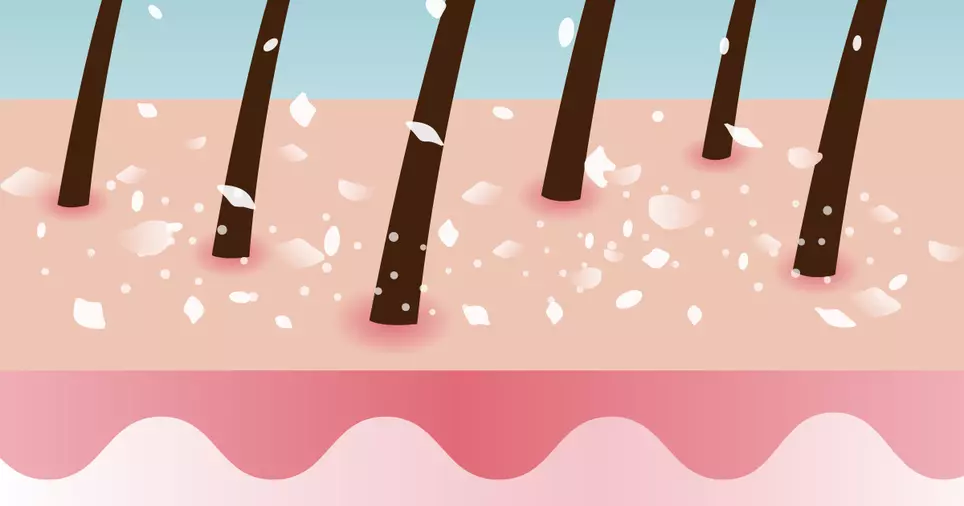
- Thinner flakes that are white or yellowish, sometimes greasy-looking
- Flakes tend to attach to the hair shaft
- Less defined edges compared to psoriasis It's also worth knowing that some people have both at the same time — this overlap is called sebopsoriasis. Signs of this include a mix of both white and silver flakes, oily skin patches, and itching.
The best way to get a clear answer is to see a dermatologist. They can usually tell the difference just by examining your skin, and knowing which one you have means getting the right treatment faster.
October 23








 Join



 Your Privacy Choices