
Powered By



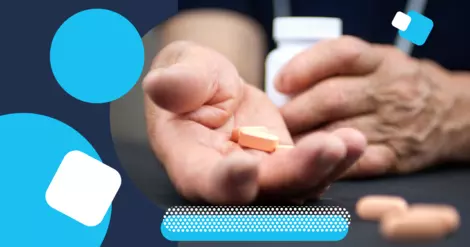
Oral drugs for psoriasis are taken by mouth, and many work throughout your body to calm the immune system, which drives psoriasis symptoms. Your doctor may recommend them if creams and light therapy don’t work well enough.
In recent years, more oral psoriasis treatment options have become available. This is especially helpful for people who prefer not to use injectable drugs. Research suggests that both people with psoriasis and healthcare providers may prefer oral treatments because they’re easier to take than injections.
Here’s a closer look at seven oral drugs for psoriasis, including newer options.
Sign up to view the results!
 Continue with Facebook
Continue with Email
Continue with Facebook
Continue with Email
Methotrexate has been used for decades to treat moderate to severe psoriasis. Doctors often choose it because it’s well studied and can be effective. Methotrexate can be taken as a pill or as an injection.
In psoriasis, skin cells build up too quickly, leading to thick, scaly patches. Methotrexate works by slowing skin cell growth. It’s usually taken once a week for psoriasis, not daily, which is important to remember.
However, methotrexate can cause serious side effects. It may affect the liver and blood cells, so regular blood tests are needed. Because of these risks, doctors may use it when other treatments haven’t worked well enough.
Methotrexate remains a common systemic treatment for more severe psoriasis.
Cyclosporine is an older oral medication that works quickly. It suppresses the immune system, which helps reduce inflammation and skin symptoms.
Doctors may prescribe cyclosporine when psoriasis is severe or needs quick control, such as during a flare.
The downside is that cyclosporine is not meant for long-term use. It can raise blood pressure and harm the kidneys over time, so doctors usually limit how long it’s used. Even with these concerns, cyclosporine can be very effective for short-term relief.
Acitretin (Soriatane) is a type of retinoid, meaning it’s related to vitamin A. It helps normalize how skin cells grow and shed.
Unlike some other oral drugs, acitretin doesn’t directly suppress the immune system. This may make it a safer option for some people. It’s often used for certain types of psoriasis, such as pustular psoriasis.
Side effects include dry skin, chapped lips, and hair thinning. However, acitretin has strict safety rules. It can cause severe birth defects, so pregnancy must be avoided during treatment and for three years after stopping the drug.
Apremilast (Otezla) is a newer type of oral medication. It works by blocking an enzyme called phosphodiesterase-4, which plays a role in inflammation.
By targeting this pathway, apremilast helps reduce discoloration, scaling, and swelling. One advantage is that it doesn’t require routine lab monitoring like some older drugs, which can make it easier to use.
Side effects can include nausea, diarrhea, and weight loss, especially at the start of treatment.
Deucravacitinib (Sotyktu) is a part of a newer class of drugs called tyrosine kinase 2 (TYK2) inhibitors. It targets a specific part of the immune system involved in psoriasis.
This targeted approach may help reduce symptoms while affecting fewer parts of the immune system than some older drugs. Clinical studies show that deucravacitinib can be more effective than some older oral treatments, including apremilast, for certain people.
Deucravacitinib is taken once daily and doesn’t require the same level of lab monitoring as drugs like methotrexate. Because it’s newer, doctors are still learning about its long-term safety, but early results are promising.
Fumaric acid esters are oral drugs commonly used in Europe for psoriasis. They help regulate the immune system and reduce inflammation.
These medications have been studied for many years and can be effective for moderate to severe psoriasis. Side effects often include flushing (a feeling of warmth with temporary skin discoloration) and stomach issues. Blood tests are also needed.
Although they’re not widely used in the United States, fumaric acid esters remain an important part of psoriasis treatment worldwide.
Icotrokinra (Icotyde) is one of the newest oral treatments for moderate to severe plaque psoriasis.
This medication is a targeted oral peptide, meaning it works on specific immune system pathways involved in psoriasis. Unlike older drugs that broadly suppress the immune system, icotrokinra focuses on key signals called interleukins involved in inflammation.
In clinical trials, some people who took icotrokinra had clearer skin and fewer symptoms. One study found that it worked better than a placebo and even performed well against deucravacitinib.
Another possible benefit is convenience. Icotrokinra is taken as a pill, which many people prefer over injections or infusions.
There’s no single “best” oral drug for psoriasis. The right choice depends on several factors, including:
A dermatologist can help guide this decision and adjust treatment over time.
If your current treatment isn’t working, it may be worth talking with your doctor about oral medications. With several options available, you may be able to find one that fits your needs.
On MyPsoriasisTeam, people share their experiences with psoriasis, get advice, and find support from others who understand.
Have you tried an oral drug for psoriasis? Did it help your skin or reduce flares? Let others know in the comments below.
Get updates directly to your inbox.


What medication cure scalp psoriasis?

 Continue with Facebook
Continue with Email
Continue with Facebook
Continue with Email
Continue with Facebook
Continue with Email
Continue with Facebook
Continue with Email
Become a member to get even more





 Join
Join



 Your Privacy Choices

This is a member-feature!
Sign up for free to view article comments.
Otezla has been terrific, no side effects, and works great.
We'd love to hear from you! Please share your name and email to post and read comments.
You'll also get the latest articles directly to your inbox.