


Connect with others who understand.

  • Learn from expert-reviewed resources
  • Real advice from people who’ve been there
  • People who understand what you’re going through
Sign Up Log In
Powered By

8 Ways To Care for Scalp Psoriasis Day-to-Day

Medically reviewed by Nahla Maher, M.D.
Posted on September 10, 2026

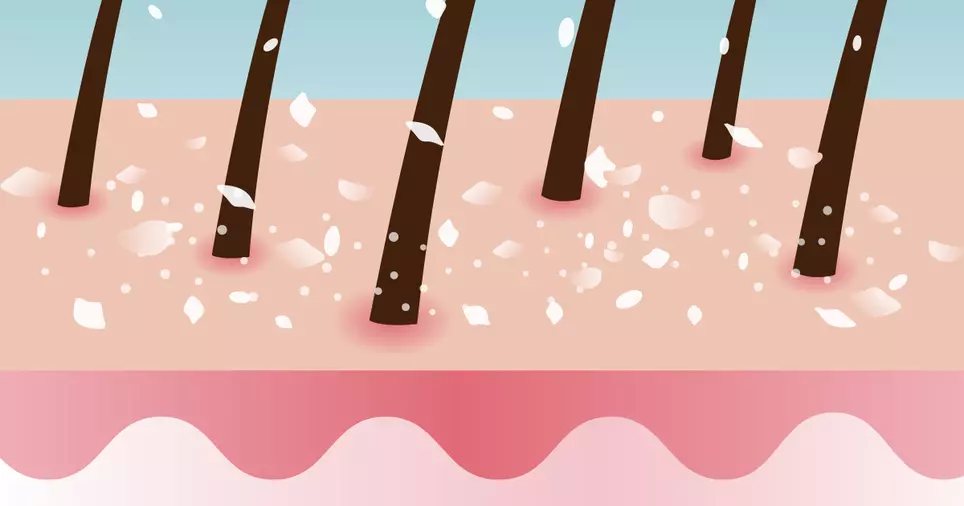
Scalp psoriasis is common in people with psoriasis. Between 52 percent and 80 percent of people with psoriasis will have it at some point, and up to 43 percent may have it now.

Daily routine matters here as much as the prescription. Here’s what may help.

Tip #1

Soften the Scale Before You Try To Remove It

Trying to remove thick, dry scales before softening them can irritate your scalp. A scale softener with salicylic acid can help loosen thick… Read more

Trying to remove thick, dry scales before softening them can irritate your scalp. A scale softener with salicylic acid can help loosen thick patches, making the scales easier to remove. 

Salicylic acid helps break down and lift away scales, which can also help psoriasis medicine reach the skin underneath. That’s why it’s a common ingredient in many over-the-counter products for the scalp. Use salicylic acid products only as directed to avoid irritation and excessive dryness.

Tell us more!
All updates must be accompanied by text or a picture.
Tip #2

Comb the Scale Out Gently — Never Pick

When you forcefully remove the scale from your scalp, it often loosens your hair as well. Picking is worse — it can cause psoriasis flare-ups and… Read more

When you forcefully remove the scale from your scalp, it often loosens your hair as well. Picking is worse — it can cause psoriasis flare-ups and hair loss. Using a soft hairbrush and avoiding rubbing or scratching plaques is beneficial.

Tell us more!
All updates must be accompanied by text or a picture.
Tip #3

Shampoo Gently, and Get the Product on Your Scalp

Working shampoo hard into the scalp feels productive, but it isn't. Harsh rubbing or scratching can worsen symptoms. Instead, shampoo gently.

When… Read more

Working shampoo hard into the scalp feels productive, but it isn't. Harsh rubbing or scratching can worsen symptoms. Instead, shampoo gently.

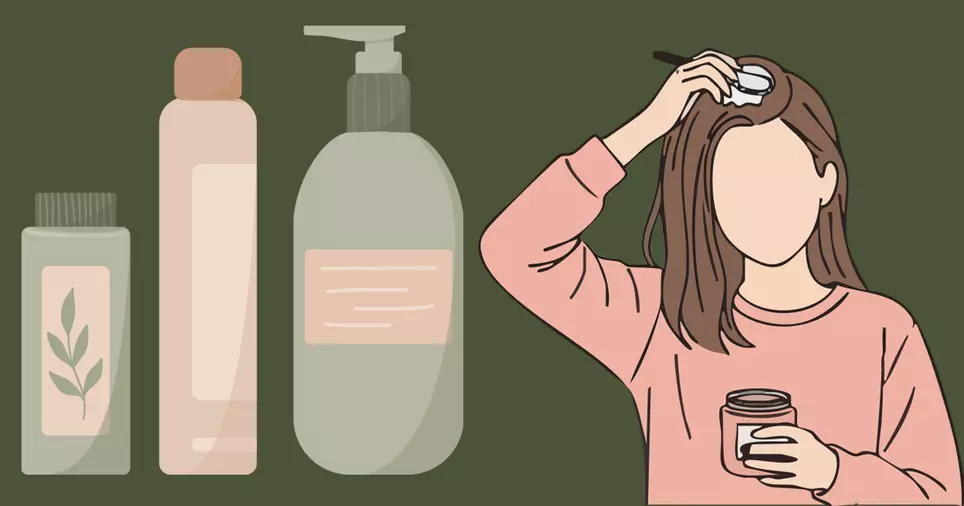
When applying medicine, separate the hair so the product reaches the skin. If your dermatologist recommends it, you may wear a shower cap after applying certain scalp medicines to help them penetrate thick plaques.

Tell us more!
All updates must be accompanied by text or a picture.
Tip #4

Keep Your Fingernails Short and Filed Smooth

This is the smallest change on the list and possibly the highest-yield one, because it works while you’re asleep or distracted. Dermatologists… Read more

This is the smallest change on the list and possibly the highest-yield one, because it works while you’re asleep or distracted. Dermatologists advise you to keep your nails trimmed and the edges smooth. This may help reduce skin damage if you scratch without realizing it. It can also lower the risk of bleeding or pulling out hair.

Tell us more!
All updates must be accompanied by text or a picture.
Tip #5

Alternate Your Medicated Shampoo With a Gentle One

Some medicated shampoos dry out hair, and dry hair breaks. Try alternating between a medicated shampoo and a gentle regular shampoo every other… Read more

Some medicated shampoos dry out hair, and dry hair breaks. Try alternating between a medicated shampoo and a gentle regular shampoo every other time you wash your hair. Using conditioner after each wash can also help soften your hair and cover the smell of medicated shampoo.

Tell us more!
All updates must be accompanied by text or a picture.
Tip #6

Let Your Hair Air Dry, and Keep Heat Off Your Scalp

Scalp psoriasis can make the skin very dry, and using a blow dryer may dry it out even more. Hot tools are a separate problem: keep curling irons… Read more

Scalp psoriasis can make the skin very dry, and using a blow dryer may dry it out even more. Hot tools are a separate problem: keep curling irons and hot rollers away from your scalp, because a burn or an irritation is enough to set off a flare.

Tell us more!
All updates must be accompanied by text or a picture.
Tip #7

Loosen Tight Hairstyles, and Time Your Color Around Flares

Hairstyles that tug on the hair can irritate the scalp and trigger a psoriasis flare. If that tension happens often, it may also lead to hair… Read more

Hairstyles that tug on the hair can irritate the scalp and trigger a psoriasis flare. If that tension happens often, it may also lead to hair loss.

Coloring, perming, or relaxing your hair or getting a blowout may also irritate your scalp. During a flare, it’s best to skip them. Between flares, ask your dermatologist which hair treatments are safest for your scalp.

Tell us more!
All updates must be accompanied by text or a picture.
Tip #8

Say Something if the Treatment Feels Too Harsh

Scalp psoriasis treatments can be stronger than treatments used on other parts of the body because the skin on the scalp is thicker. If your… Read more

Scalp psoriasis treatments can be stronger than treatments used on other parts of the body because the skin on the scalp is thicker. If your treatment stings, burns, or leaves your scalp irritated, tell your dermatologist. They may be able to switch treatments or change how you use them.

Also mention severe itching or anything about your hair-care routine that seems to make your symptoms worse. Treating the psoriasis can help control the itch, but your dermatologist may also suggest ways to get relief sooner.

If your scalp psoriasis is persistent or difficult to control, you may need further evaluation by your dermatologist.

Tell us more!
All updates must be accompanied by text or a picture.
Now it's your turn

What Has Helped Your Scalp?

What did we miss? We'd love to hear what's gotten you through a bad stretch of scalp psoriasis — the shampoo, the routine, the ways you add moisture, or the emollients and ointments that have helped. Share the tips you wish someone had told you sooner below.

All updates must be accompanied by text or a picture.

We'd love to hear from you! Please share your name and email to post and read comments.

You'll also get the latest articles directly to your inbox.

Subscriber Photo Subscriber Photo Subscriber Photo
246,327 members
This site is protected by reCAPTCHA and the Google Privacy Policy and Terms of Service.
Privacy Policy Terms of Use
Share this article
All updates must be accompanied by text or a picture.

We'd love to hear from you! Please share your name and email to post and read comments.

You'll also get the latest articles directly to your inbox.

Subscriber Photo Subscriber Photo Subscriber Photo
246,327 members
This site is protected by reCAPTCHA and the Google Privacy Policy and Terms of Service.
Privacy Policy Terms of Use
All updates must be accompanied by text or a picture.

Subscribe now to ask your question, get answers, and stay up to date on the latest articles.

Get updates directly to your inbox.

Subscriber Photo Subscriber Photo Subscriber Photo
246,327 members
This site is protected by reCAPTCHA and the Google Privacy Policy and Terms of Service.
Privacy Policy Terms of Use
Continue with Facebook
Continue with Google
By joining, you accept our Terms of Use, and acknowledge our collection, sharing, and use of your data in accordance with our Health Data and Privacy policies.
Already a member? Log In

Thank you for subscribing!

Become a member to get even more

See answer