
Powered By



On the surface, psoriasis may seem like discolored patches of scaly skin. However, people with psoriasis may have symptoms beneath the surface that affect their daily lives.
The invisible symptoms that others don’t see can make life with psoriasis particularly isolating. “I didn’t know anyone with psoriasis, so I had no one to share with,” explained a MyPsoriasisTeam member.
Here’s more insight from MyPsoriasisTeam members who know how it feels to live each day with psoriasis symptoms — both visible and invisible.
Psoriasis causes patches of skin that usually itch. Unfortunately, scratching can make the patches thicker, so dermatologists urge people to treat underlying psoriasis rather than giving in to the urge to scratch.
“I was desperate to find help or a solution to my itching skin. … I am careful about what I use in the shower now, and I always moisturize. When my skin is bad in the evening, I moisturize some more,” wrote one member.
Even with treatment, severe itching can be hard to ignore. When you scratch, dry skin can start to flake off, leaving dandruff flakes on clothing.
Broken skin is also more prone to infections. For some people, the urge to scratch is strong enough to keep them awake at night and make it harder to get a good night’s sleep.
“I struggle with the sleepless nights, whether due to pain, the burning of your skin, the itchiness, then the pain from scratching, all the while keeping you awake at night. It’s so draining,” explained a MyPsoriasisTeam member.
Many people with psoriasis have trouble sleeping, and there are several reasons for this issue. Studies show psoriasis is associated with higher rates of obstructive sleep apnea — which makes breathing harder — and with restless legs syndrome (involuntary leg movements), which can wake you up.
Joint pain and other psoriasis symptoms can also make it harder to sleep, which can lead to fatigue during the day.
“I wake up too, but usually can get back to sleep. Sometimes, I have to get up just to move around a bit when my hip joints hurt,” said a member of MyPsoriasisTeam.
“The burning itch seems to be worse in the evening,” shared another member. “I’ve been prescribed an antihistamine to take before bed, and I’ve been sleeping better.”
It’s important to share sleep concerns with your doctor. They may recommend a sleep study to find out why you’re awake at night and what treatments may help.

“Right now, fatigue and joint pain are the worst symptoms for me,” a member wrote.
Psoriasis can progress into psoriatic arthritis, a condition that affects the joints. Psoriatic arthritis is more common in people with severe skin symptoms. You may notice swollen and tender joints of the fingers and toes and heel pain.
One member described the most difficult part of psoriasis as “not knowing, when you get up in the morning, if you’ll be able to walk and if your tendons will hold your knees and ankles in place.”
Letting your doctor know about any new joint symptoms is crucial with psoriasis, as up to 30 percent of people with psoriasis develop psoriatic arthritis. Getting the condition under control in its earlier stages can help slow disease progression.
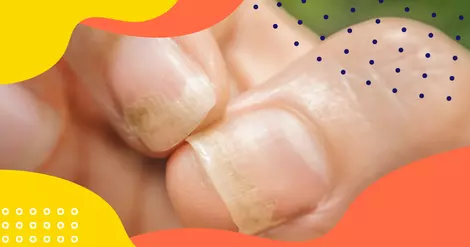
“I get stressed out because of my fingernails. They are wrecked due to psoriasis, and I really wish something could be done about it!” a member wrote.
Half of the people with plaque psoriasis notice changes to their nails, but this can happen with any type of psoriasis. “My nails are horrible and sore,” said another member.
Psoriasis can cause small dents or pits in the fingernails and toenails. Nails can become discolored and may feel rough or crumble.
If excess skin cells build up underneath the nail bed, nails can start to lift and detach. You may feel self-conscious if others mistake psoriasis for nail fungus or poor hygiene.
“Psoriasis drains you mentally because you are always thinking about it. There is always some reminder of it, whether it’s the pain or white flakes … it is always on your mind,” a member wrote.
It’s not unusual for people with psoriasis to feel stigmatized and worry about how others will perceive their skin condition. “You can be having the best day, and then a complete stranger asks, ‘What is that?’ Those moments can bring you down in seconds,” said one member.
Adding to the problem is the common misconception that psoriasis is contagious. Talking to people close to you about psoriasis can help them understand what you’re going through, but not everyone feels comfortable having that conversation.
Mental health issues like depression are more common among people living with psoriasis than in the general population. Finding a supportive community, either in person or online, and mental health counseling can help.
Living with and treating psoriasis can also add financial stress, which may affect your mental health and quality of life.
If you have trouble paying for your medications or you need to miss work because of frequent flare-ups, you may be worried about how to make ends meet.
The National Psoriasis Foundation offers tips and resources for psoriasis-related expenses. You can also talk to your healthcare provider about ways to save money on your treatments.
Living with psoriasis can affect many parts of life, including your sleep, mood, joints, and finances. Your healthcare team can help you find support for symptoms that aren’t always easy for others to see.
On MyPsoriasisTeam, people share their experiences with psoriasis and psoriatic arthritis, get advice, and find support from others who understand.
What’s one invisible symptom of psoriasis you wish more people knew about? Let others know in the comments below.
Get updates directly to your inbox.


What is the best topical medication for psoriasis


 Continue with Facebook
Continue with Email
Continue with Facebook
Continue with Email
Continue with Facebook
Continue with Email
Continue with Facebook
Continue with Email
Become a member to get even more





 Join
Join



 Your Privacy Choices

This is a member-feature!
Sign up for free to view article comments.
I went thru so much misinformation by doctors. I would be in severe pain, plaques all over my body, itching, scalp and ear infections. Some doctors would it want kill just learn to live with it or… read more
We'd love to hear from you! Please share your name and email to post and read comments.
You'll also get the latest articles directly to your inbox.